
The True Color Reveal: Why Your PMU Looks Light Before It Settles PerfectlyPMU 시술 후 색상이 옅어 보이는 이유: 완벽하게 자리 잡기 전까지의 과정
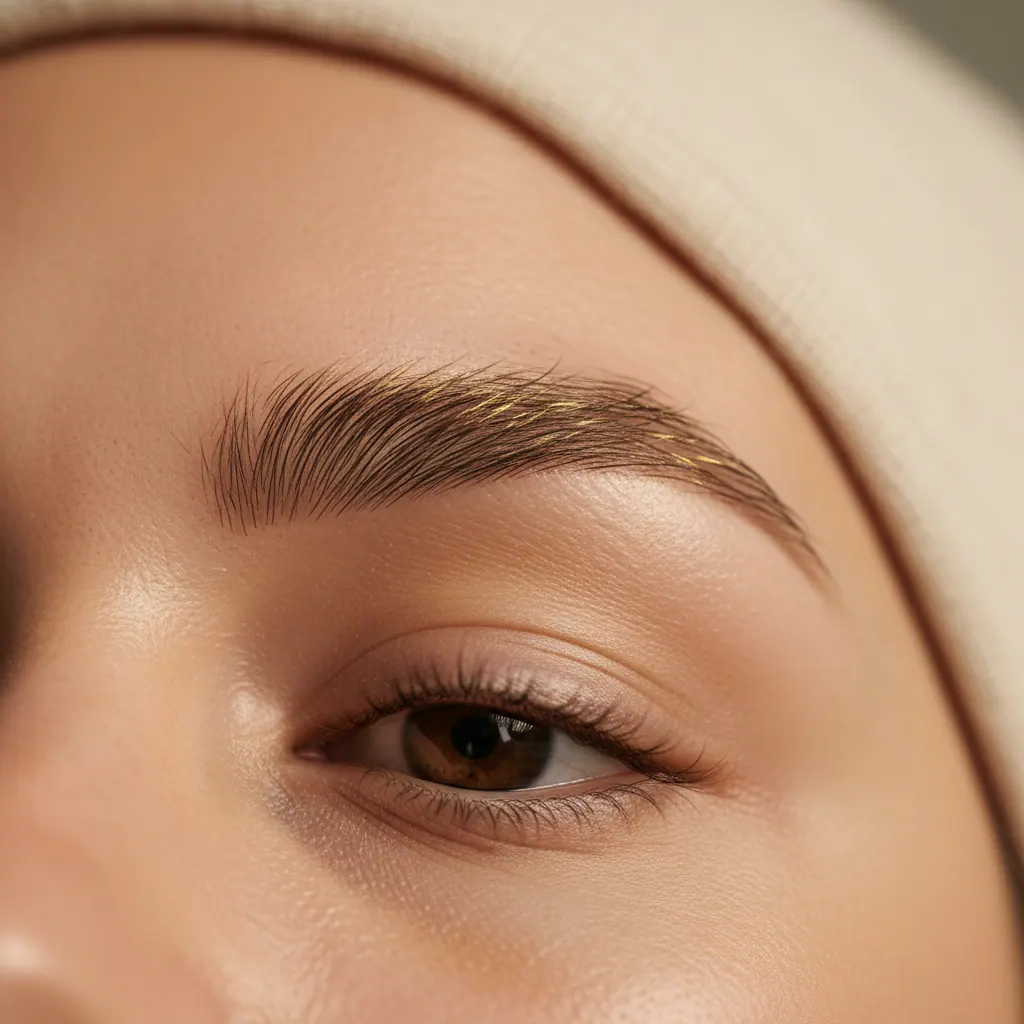
If you've just left our Duluth studio with fresh, beautiful PMU, you might be surprised when you look in the mirror the next day. The rich, crisp color you saw right after your appointment now appears significantly lighter, softer, and maybe even a bit patchy. It's a common moment of worry for many of our clients in Suwanee, Buford, and across the Atlanta metro. Please know this is not a mistake. It is a completely normal, and necessary, part of the journey to your perfect, settled results. That temporary light phase is your skin's way of healing and preparing to reveal the true, lasting color. Let's walk through the science of why this happens and what you can realistically expect in the coming weeks.
1. The Journey of Pigment: From Surface to Settled
The pigment isn't simply sitting on the surface of your skin. For Permanent Makeup to be permanent, it must be deposited into the dermal layer. The process of getting it there creates a tiny wound, which triggers your skin's natural healing response. This healing process is what temporarily alters the appearance of the pigment you see.
The Initial Deposit and Scabbing
Immediately after your procedure, the pigment is deposited in the upper dermis, but it's also present in the superficial layers of skin and even in the tiny traces of lymph and blood at the surface. This creates the initial, darker, and more dramatic look. As your skin begins to heal over the next few days, it forms a very thin, imperceptible scab or dry layer over these micro-wounds. This layer, which contains some of that top-layer pigment and dried biological fluids, is what makes the color look darker and more solid at first.
The Exfoliation (Peeling) Phase
As the healing progresses, that thin top layer naturally exfoliates. This is the flaking or peeling stage. When this layer sheds, it takes with it the pigment that was only on the very surface or trapped in the scab. What remains underneath is the pigment that was successfully implanted into the deeper, dermal layer. However, this deeper pigment is still hidden under a few layers of regenerating skin cells, which have a slight opaqueness. This is the primary reason your brows or lips look lighter and sometimes a bit ashy or muted about 5-10 days post-procedure.
2. The "Ghosting" Phase and True Color Emergence
After the peeling is complete, you enter what artists often call the "ghosting" or "hazy" phase. The color seems to have disappeared or lightened by 30-50%. This is a critical period.
The Skin's Natural Opaque Layer
Your body is busy building new skin. The fresh epidermis growing over the pigment acts like a soft-focus filter or a veil. It temporarily obscures the true color and saturation of the pigment beneath it. Think of it like looking at a tattoo through a sheer piece of parchment paper.
The Settling and Clarifying Process
Over the next 2 to 4 weeks, this new skin layer continues to mature, thin out, and become more transparent. As it does, the implanted pigment gradually becomes more visible and defined. The color you see will slowly deepen and clarify. This is the "settling" process. It's not the pigment changing color, but your skin becoming clear enough to reveal it fully. By about weeks 4-6, the pigment has fully settled, and you see the true, final color.
PATIENT REMINDER: Your skin is unique, and your healing timeline is yours alone. Factors like your skin type (oily vs. dry), age, immune response, and even lifestyle can affect the pace and intensity of each healing stage. The most important thing is to follow your aftercare instructions meticulously.
3. Why the Perfecting Session is Essential
This entire biological process is exactly why the perfecting session (or touch-up) is a non-negotiable part of quality PMU. It is scheduled 6-8 weeks after your initial procedure for one key reason: to work on the fully healed, settled canvas.
Assessing the Settled Result
At your perfecting session at our Duluth studio, I can see exactly how your skin has retained the pigment. Some areas may have healed perfectly, while others might have faded more due to natural skin variation, oil production, or slight movement during healing. The temporary light phase is over, and the true baseline is visible.
Refining and Perfecting
This appointment allows me to refine the shape, saturate any areas that faded more than desired, and balance the color perfectly. It ensures your results are symmetrical, crisp, and exactly as you envisioned for the long term. We consider the first session the foundation and the perfecting session the finished artwork. You can learn more about our meticulous process on our PMU Services page.
4. Trusting the Process: Your Role in Healing
Understanding the science helps ease anxiety, but your actions are crucial for optimal results.
The Golden Rule: Let It Flake Naturally
Do not pick, peel, or scratch. Manipulating the scabs can pull pigment out from the dermis, leading to patchy results and scarring. Let your skin shed the layers on its own timeline.
Protect and Moisturize (As Directed)
Keep the area clean and gently moisturized with the provided aftercare product. This prevents excessive scabbing and promotes even, smooth healing. Avoid sun exposure, sweating, and submersion in water as directed.
Embrace the Timeline
Mark your calendar for the 4-week and 6-week points. Take photos in similar, natural lighting each week. You will likely see the color gradually re-emerge. This visual diary can be incredibly reassuring and is helpful for us to review at your perfecting session. For more aftercare insights, visit our FAQ page.
EXPERT INSIGHT: As one of the few Pharmesthetic-certified Superjection artists in the Atlanta area, I use techniques and needle technologies designed to place pigment more gently and precisely in the ideal skin layer. This advanced method promotes more predictable healing and color retention, but even with the most advanced technology, the skin's fundamental healing biology still applies. The light phase is a sign your skin is doing its job.
The journey from the first swipe of pigment to your final, flawless look is a partnership between artist expertise and your skin's wisdom. That temporary lightness is not a flaw. It is a necessary, fleeting step on the path to a beautiful, lasting result. If you have questions during your healing process, I am always here to guide you. Ready to begin your journey to perfect, settled color? I welcome you to book a consultation at our Duluth studio, serving clients in Suwanee, Buford, Lawrenceville, Johns Creek, and across Atlanta.